
 Tiếng Việt
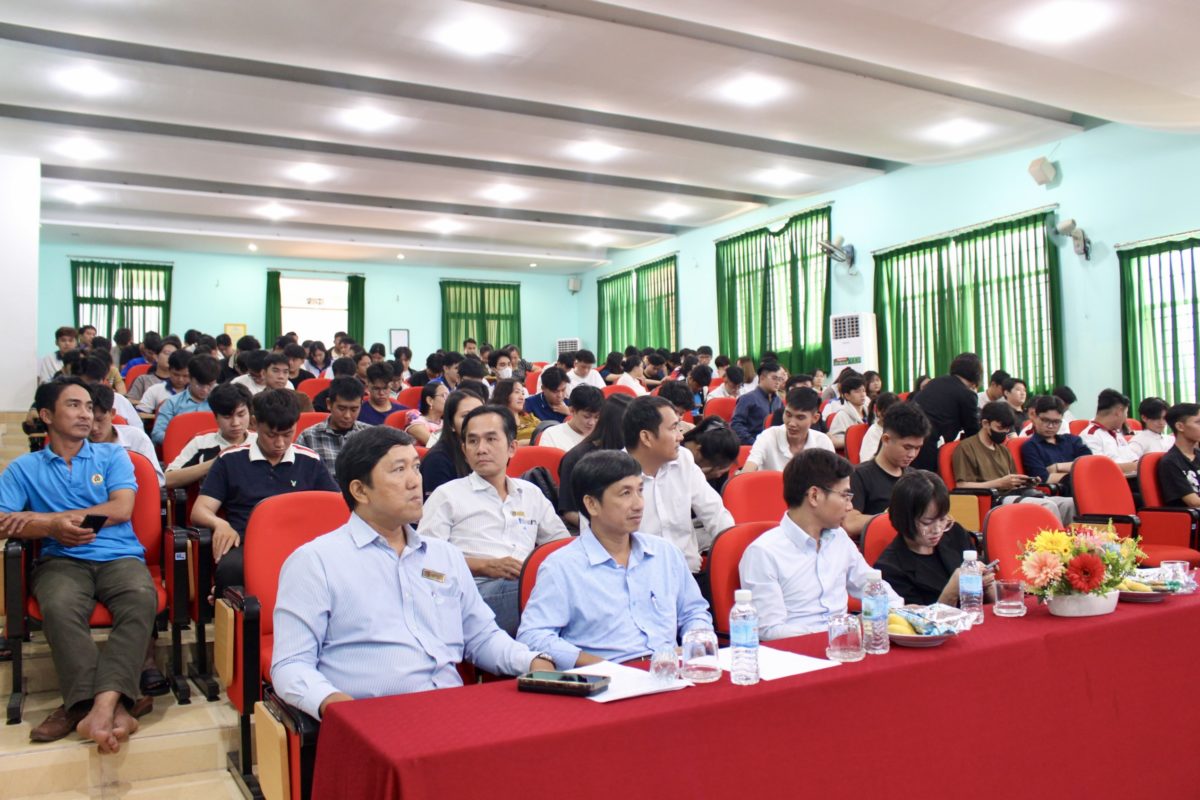
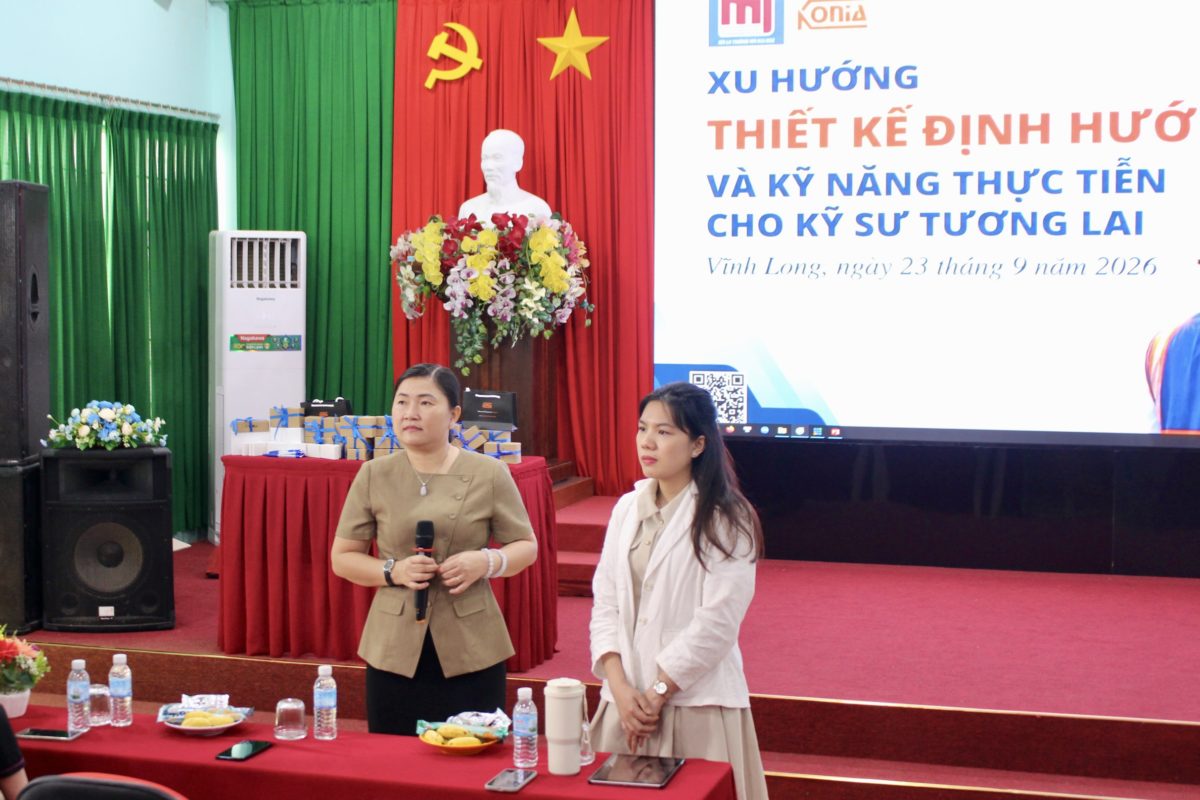
On September 23, 2026, the seminar “BIM-Oriented Design Trends and Practical Skills for Future Engineers,” jointly organized by Konia Co., Ltd. and Mien Tay Construction University (MTU), provided students with practical insights into BIM, design technologies, and current career requirements in the construction industry.
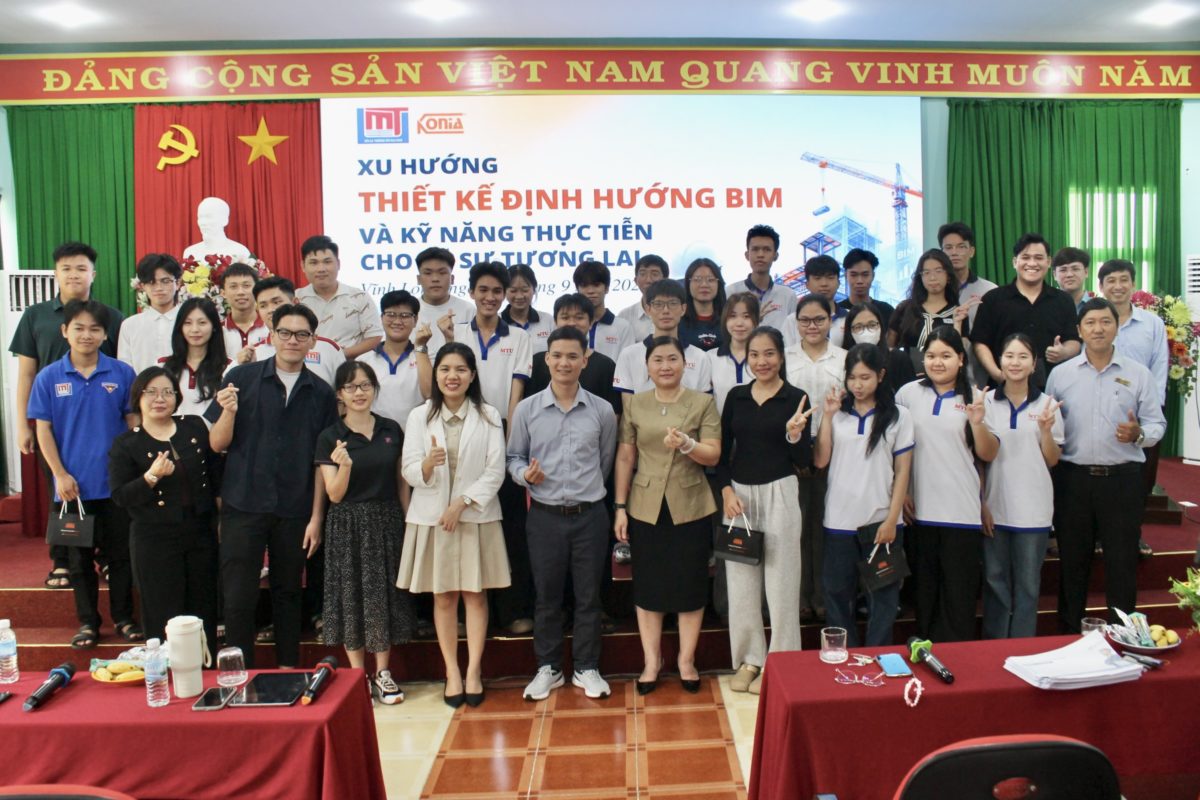
More than simply introducing technology, the seminar aimed to help students better understand how BIM is being applied in real-world business environments, what capabilities young engineers need to develop, and what career pathways are opening up in structural design, modeling, and detailing.
Through ARISTEEL’s practical case study, Tekla Structures served as a bridge that helped students better visualize the journey from classroom knowledge to an actual project workflow — from receiving design information and developing the model to producing drawings and supporting fabrication at the factory.
Defining the Role of a Structural Engineer
With workflows that rely heavily on 2D drawings, engineers often need to consolidate information from multiple views to fully understand a building’s structural configuration. As projects become more complex, checking component locations, connections, and consistency across drawings also requires greater experience.
Through the presentation and demonstration of Tekla Structures, students were given a more visual understanding of how businesses address these challenges in practice. Within a 3D model, structural systems, components, connections, bolts, welds, and other technical information can be presented in a single environment, making it easier to understand how different parts of the structure relate to one another.
From this experience, students could see more clearly that BIM is not simply about creating a 3D model. It is also a way of organizing and utilizing information to support engineers in checking, coordinating, and making decisions throughout project delivery. This also represents an important transition from knowledge learned through technical drawings in the classroom to how that knowledge is applied in a real working environment.
From Digital Models to Fabricated Components
One notable topic highlighted at the seminar was how Tekla Structures connects multiple stages of the structural steel workflow.
From the model, engineers can develop the drawing sets required for project execution. When design changes occur, related information can be updated consistently across the workflow instead of requiring each drawing to be revised independently.
Model data can also support the fabrication process, for example through CNC formats that connect design information with manufacturing equipment at the factory. Individual components can also be managed using unique identifiers, helping teams track their status and production progress.
For students, this provides a clearer view of the connection between design – modeling – drawings – fabrication, rather than seeing each stage as a separate activity.
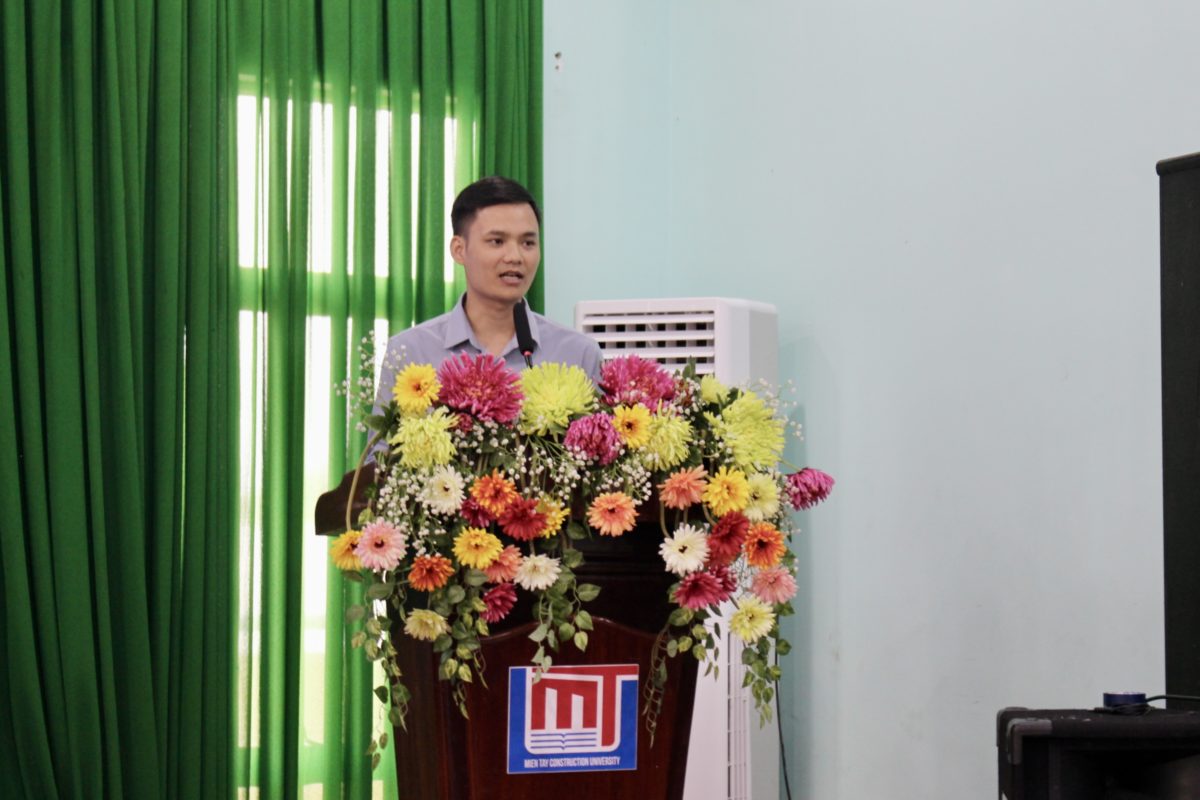
Tekla Structures Workflow at ARISTEEL
Through the insights shared by Mr. Đinh Văn Chính – Deputy Head of the Technical Department, ARISTEEL’s real-world experience helped place BIM concepts within a clear and practical workflow.
Based on design information received from Japan, ARISTEEL’s technical team carries out evaluation and review before developing the model and producing GA – General Arrangement drawings. This stage helps verify component layouts, facilitate communication with clients, and connect the original design intent with practical fabrication and construction requirements.
Once the proposed solution has been agreed upon, component drawings and production data are further developed from the model.
Design Input → Review → Tekla Structures Model → GA Drawings → Component Drawings → Fabrication Data → Production
Through this workflow, students can better understand that an engineer’s role goes beyond operating software. It also requires the ability to understand design intent, verify information, and coordinate with multiple stakeholders throughout the project.
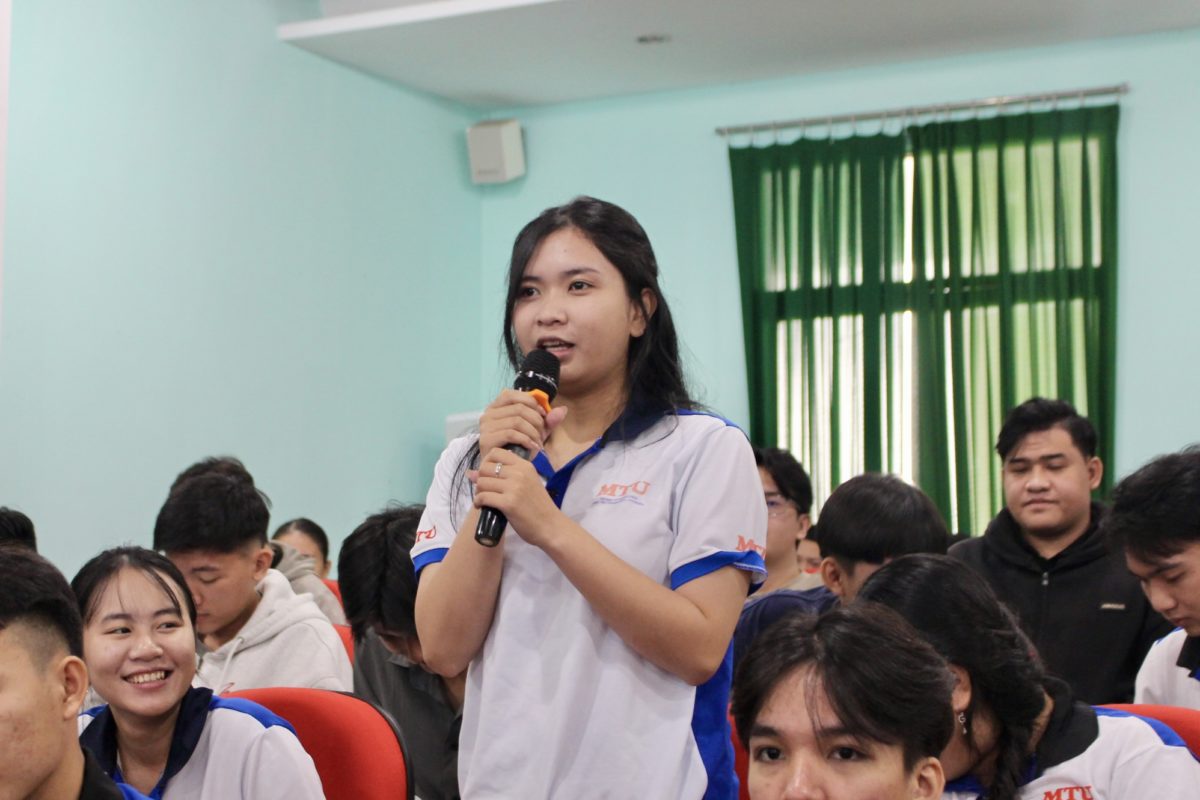
Bridging the Classroom and Career Development
As the seminar at Mien Tay Construction University came to a close, Tekla Structures was presented not only as part of the BIM technologies being increasingly adopted across the construction industry, but also within a practical career context, helping students gain a clearer picture of their potential development paths after graduation.
Drawing from ARISTEEL’s actual organizational model, representatives from Konia and ARISTEEL shared a career progression starting from Tekla Modeler, advancing to Tekla Engineer and Leader, and eventually moving into management roles after gaining sufficient technical experience and project coordination capabilities.
Alongside software proficiency, the speakers also emphasized what students need to develop in order to progress along this path. These include a solid foundation in structural engineering, the ability to understand and apply relevant standards, problem-solving skills, and a professional approach to communication, reporting, and collaboration.
This also reflects the value that KONIA Edu Tour 2026 aims to deliver: bringing classroom knowledge closer to technology, the business environment, and real-world industry requirements, while giving students greater direction to proactively prepare for their journey toward becoming future engineers.
Konia sincerely thanks Mien Tay Construction University for its collaboration in organizing the seminar, and also extends its appreciation to ARISTEEL for accompanying the program and sharing practical insights from the business environment, helping students gain valuable perspectives on technology, career development, and their future professional journey.
– Konia Software Solutions
