

 Tiếng Việt
On September 19, 2026, at the G3 Hall, Hanoi University of Civil Engineering (HUCE), the Faculty of Civil and Industrial Construction, in collaboration with KONIA, organized Specialized Seminar No. 1 for civil engineering students.
As part of the KONIA Edu Tour 2026 series, the event was held under the theme “BIM-Oriented Design Trends and Practical Skills for Future Engineers” and attracted approximately 800 students.
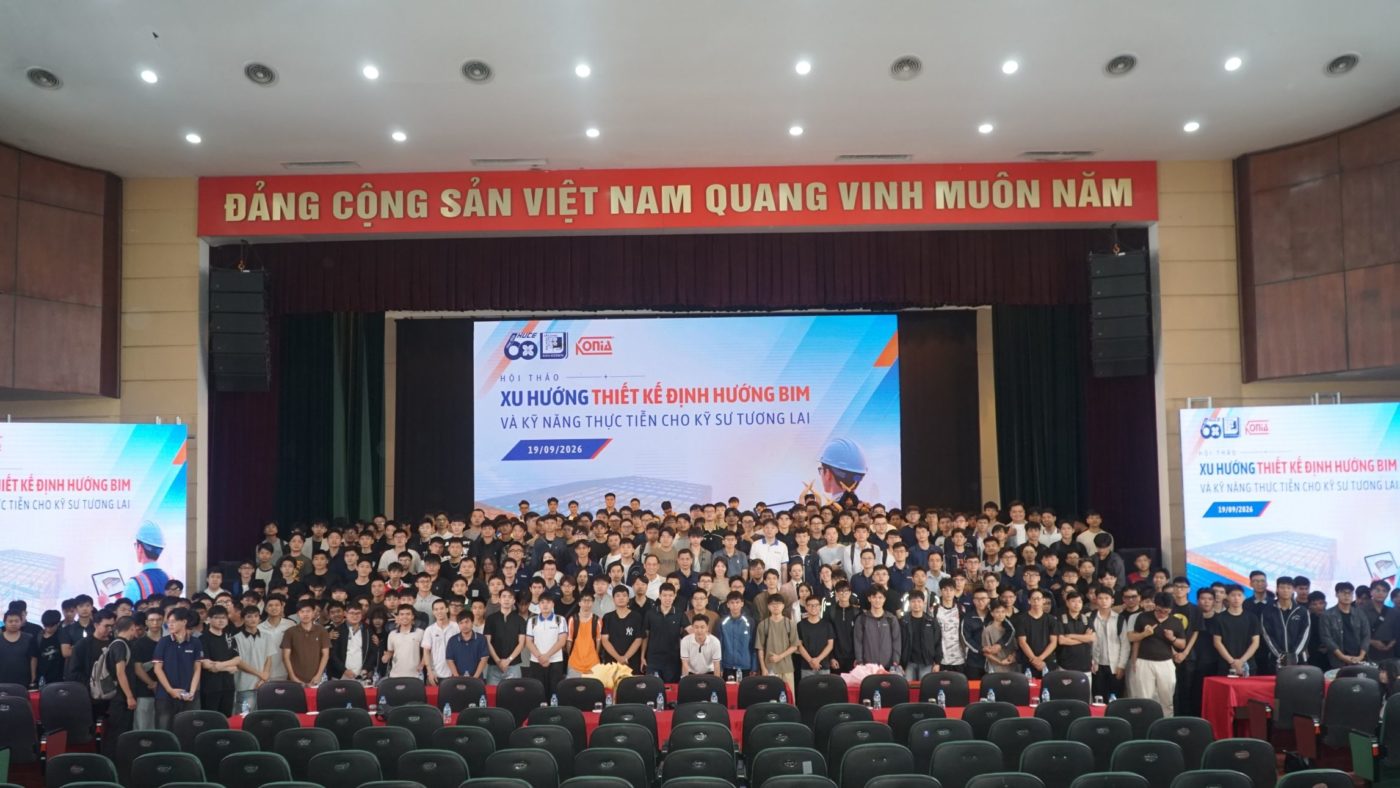
As technology continues to play an increasingly important role in the design, implementation, and management of construction projects, developing a workforce capable of adapting to new ways of working has become a key priority for businesses.
Through the program, students had the opportunity to connect the professional knowledge gained in the classroom with practical requirements from the business environment, while gaining a clearer understanding of the skills and capabilities they need to prepare for their careers after graduation.
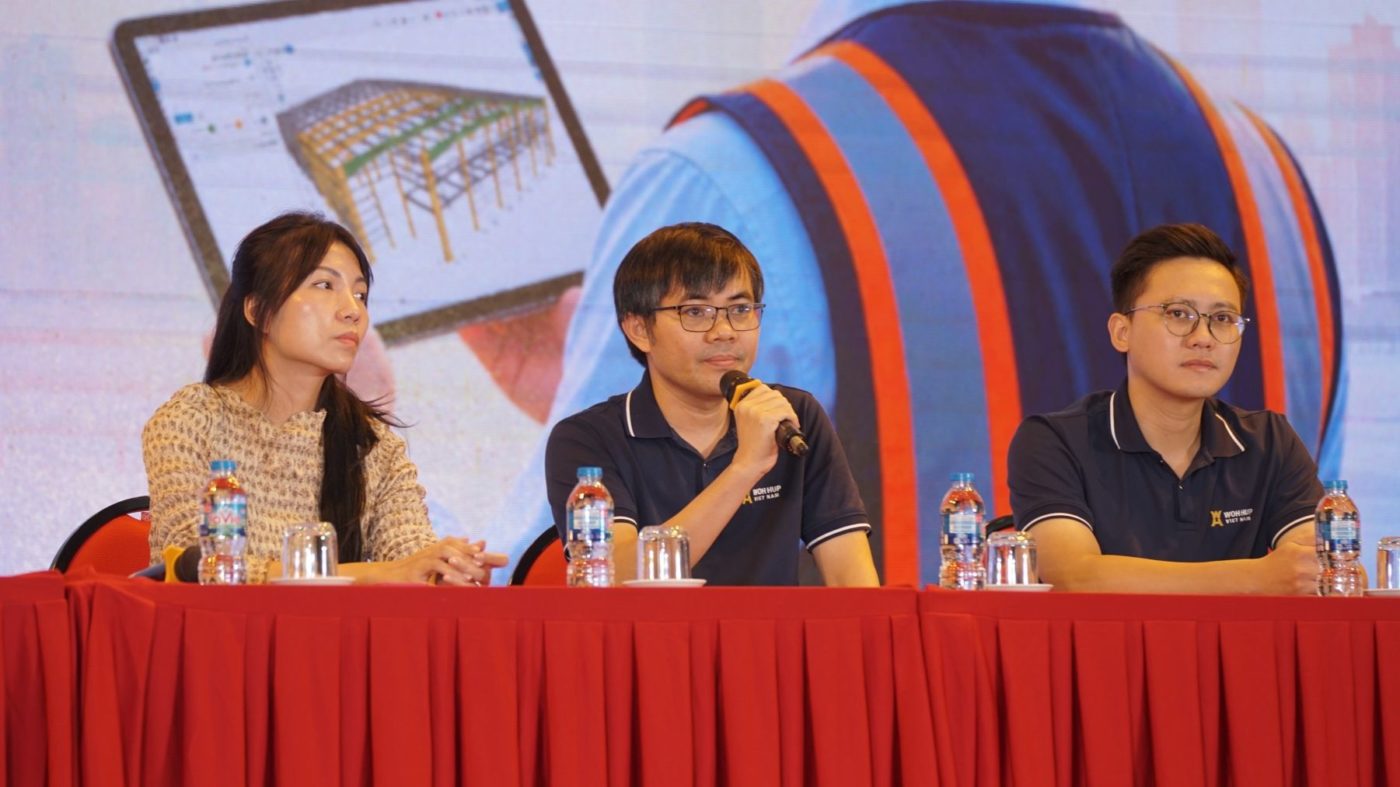
BIM-Oriented Design and Workforce Requirements in the Construction Industry
One of the key topics of the seminar focused on the trend toward BIM-oriented design in structural engineering, as well as the changing workforce requirements as companies place greater emphasis on digital workflows and collaboration through Building Information Modeling platforms.
Through the session, students were encouraged to view BIM not simply as a software application or design support tool, but as a way of thinking and organizing work—one that requires the integration of technical knowledge, structured processes, and the effective use of technology.
The seminar also provided students with a clearer understanding of the capabilities that employers expect from young engineers, ranging from a strong technical foundation and software proficiency to systematic thinking and the ability to adapt to ongoing changes in the industry.
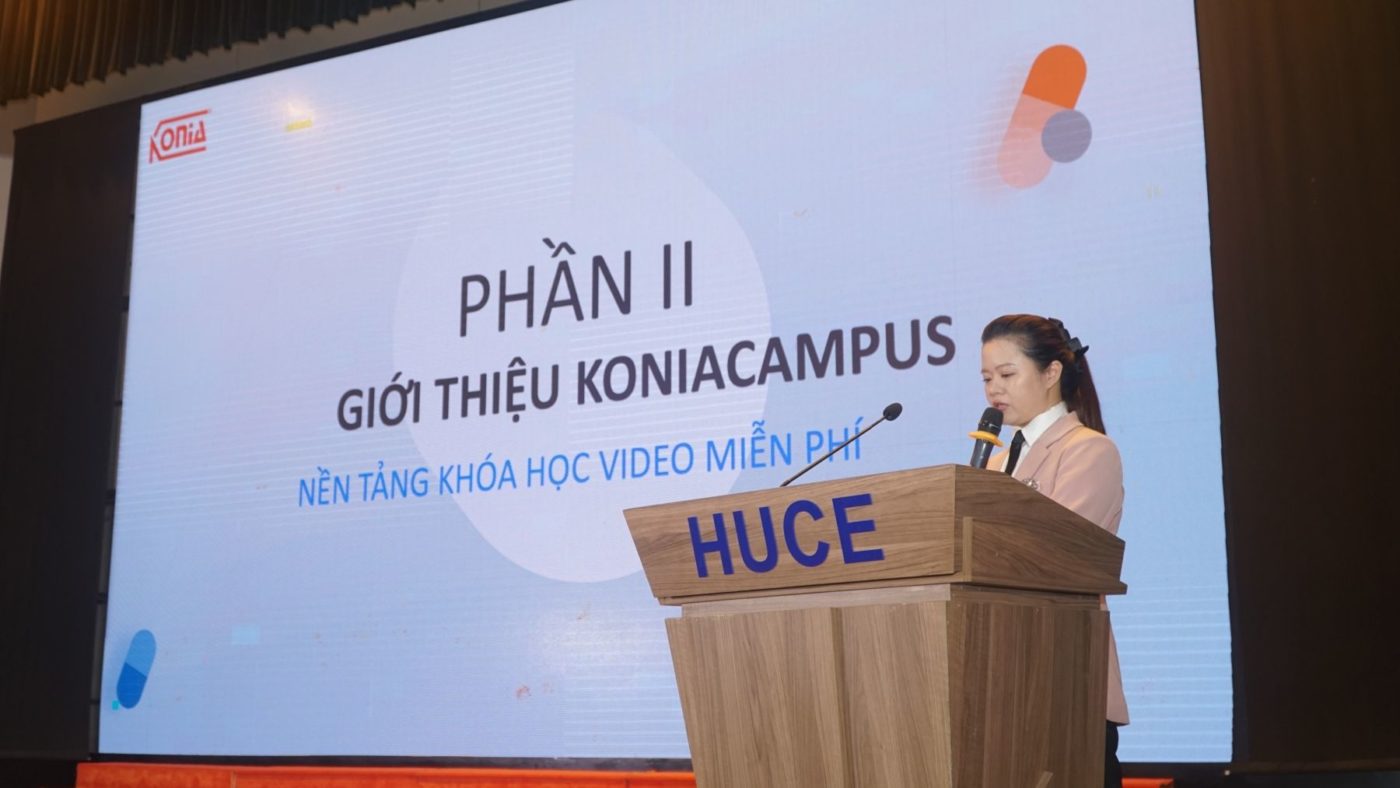
Demonstrating a Structural Design Project Workflow with Tekla Structures
In addition to providing updates on BIM-oriented approaches, the program introduced a structural design project workflow based on BIM principles, accompanied by a live demonstration using Tekla Structures.
Through practical examples, students gained a clearer understanding of how structural engineering knowledge is connected with modeling and project implementation in a BIM environment. Exposure to this workflow while still at university gives students a stronger foundation for proactively developing their software skills and understanding how digital tools are integrated into real-world business workflows.
In particular, this session helped students recognize that learning specialized engineering software is not only about meeting the requirements of a course or academic project, but also forms part of the long-term process of building professional capabilities for their future careers.
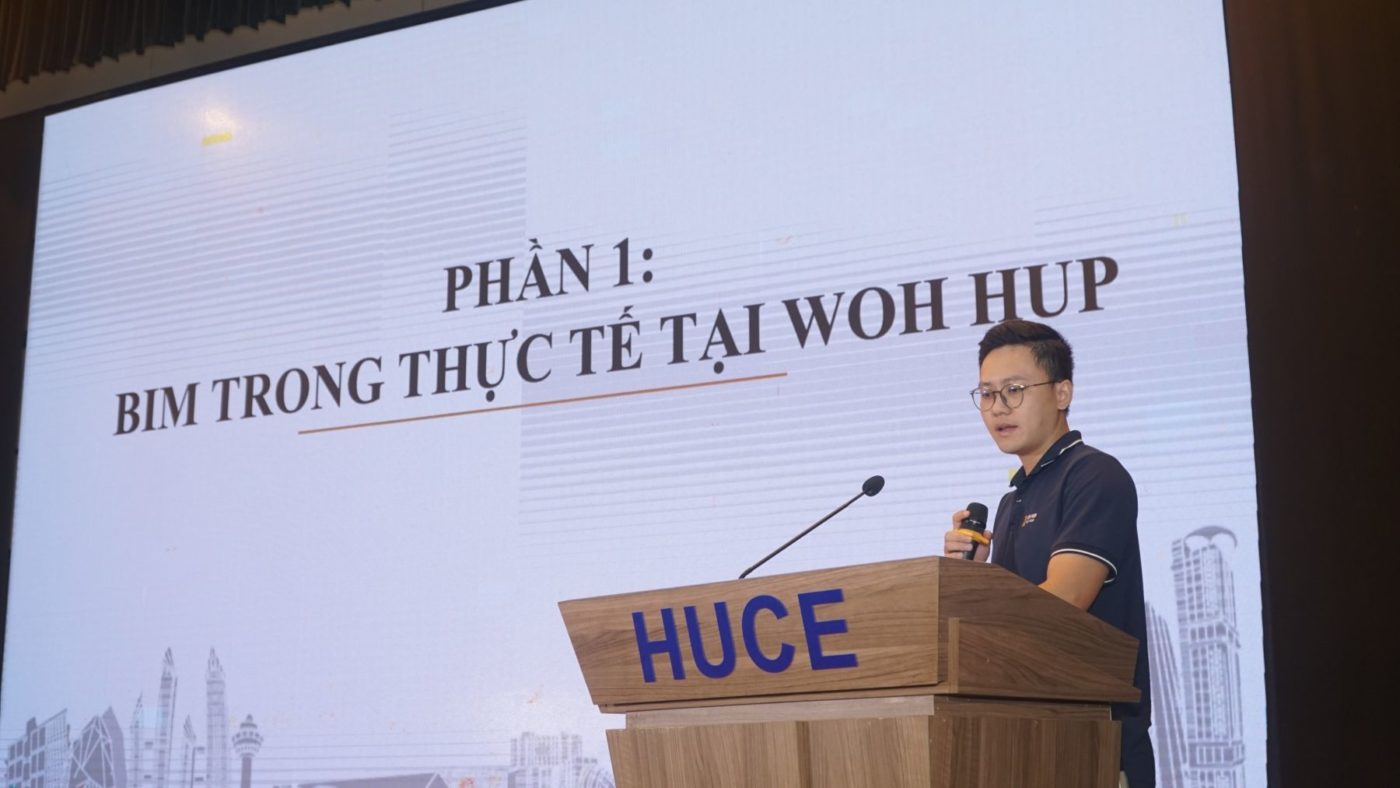
Industry Perspectives on Skills and Career Preparation
One of the highlights of the program was a sharing session from guest industry representative Woh Hup Vietnam, offering students practical insights into the working environment and the expectations placed on civil engineers in the industry.
In addition to technical competence, students learned about soft skills, how to build an effective CV and portfolio, and the key elements needed to demonstrate their individual strengths during the recruitment process. Direct insights from industry professionals helped students better understand the gap between academic training and real-world job requirements, enabling them to identify the skills they should further develop during their studies.
The session also gave students the opportunity to exchange ideas, ask questions, and learn from the practical experience of professionals currently working in the field, providing a stronger foundation for shaping their own career development paths.
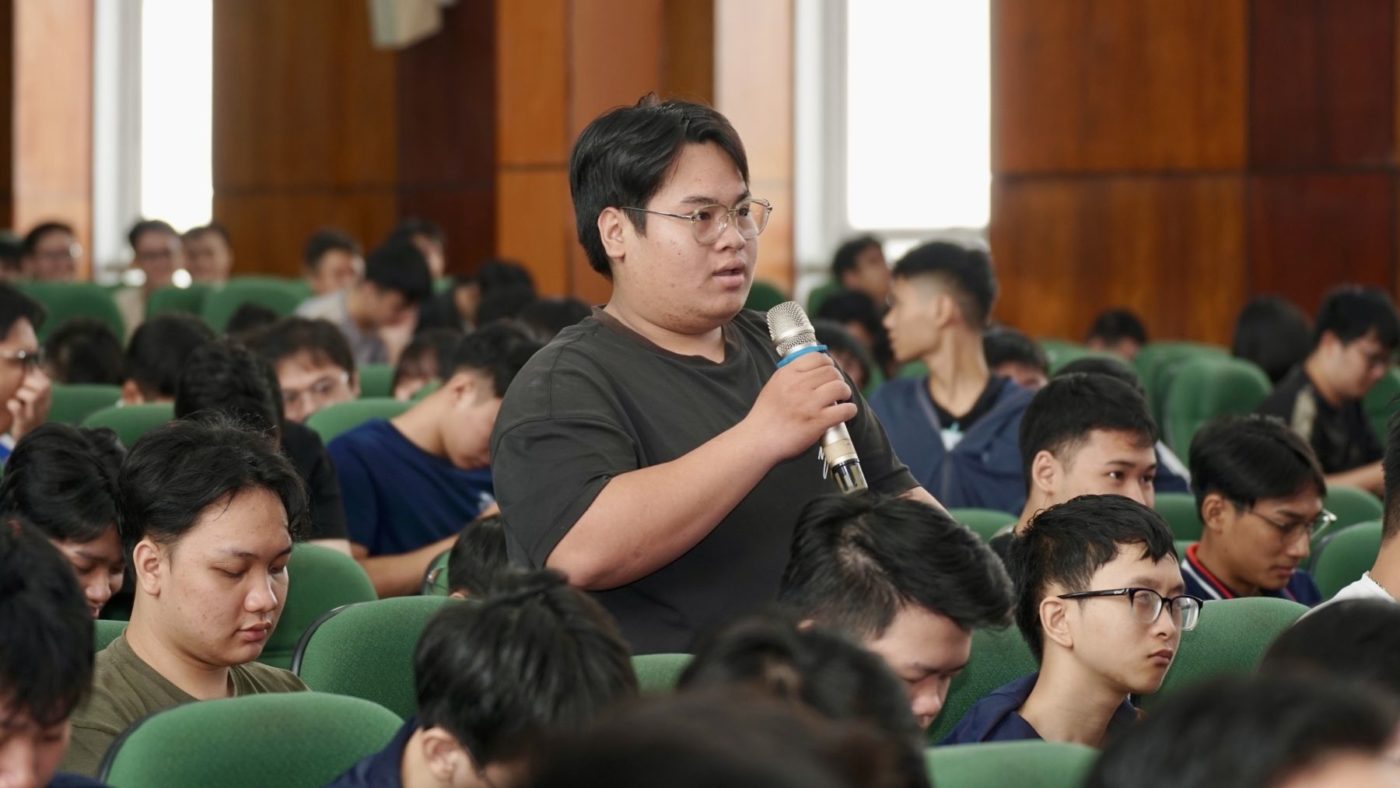
Connecting Education with Industry Practice – Preparing Future Engineers
With the participation of approximately 800 students, Specialized Seminar No. 1 was a meaningful activity within the KONIA Edu Tour 2026 series, helping strengthen the connection between academic education and real-world industry practice.
KONIA Vietnam sincerely thanks the Faculty of Civil and Industrial Construction – Hanoi University of Civil Engineering for its collaboration in organizing the program, and Woh Hup Vietnam for participating as a guest speaker and contributing practical insights and valuable career perspectives for students.
Konia Software Solutions
