
 Tiếng Việt
Discover how Tekla Structures helped Afcons Infrastructure deliver the Greater Malé Connectivity Project in the Maldives, optimizing BIM workflows, center of gravity (COG) calculations, clash detection, and construction accuracy for a large-scale marine bridge project.
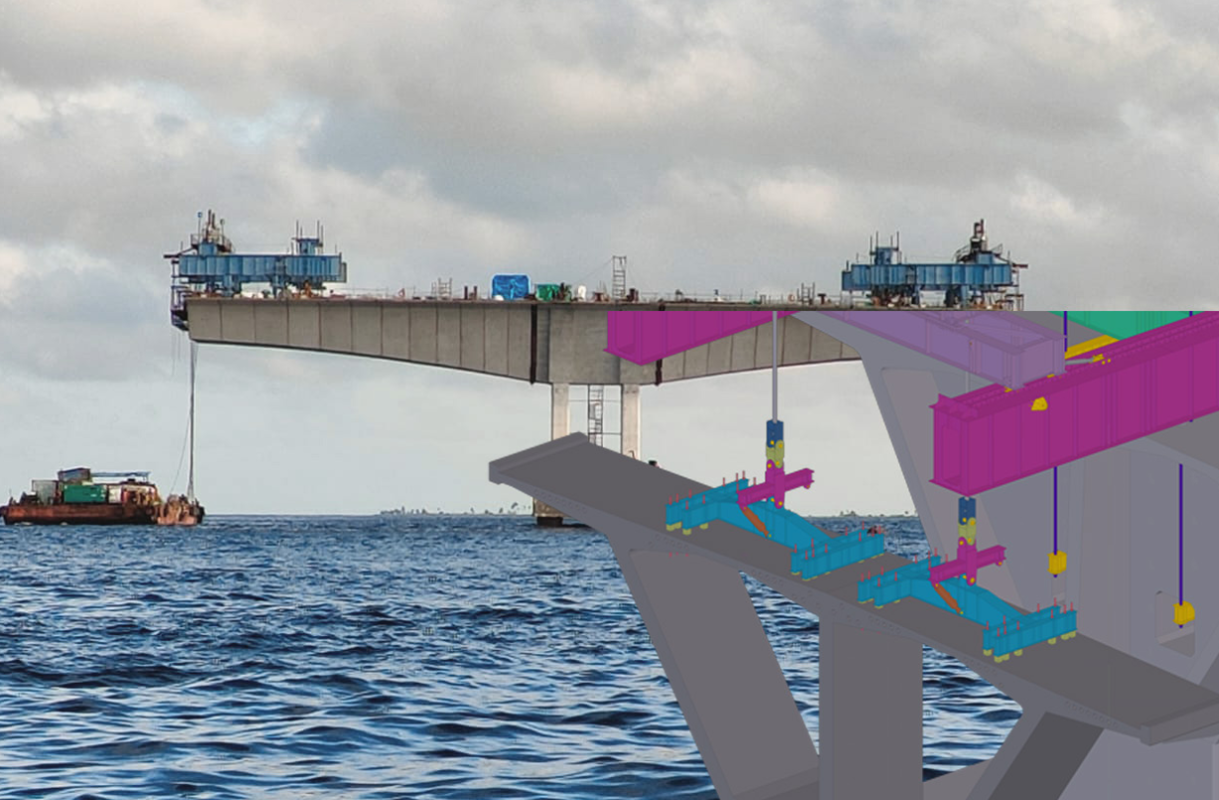
Afcons Infrastructure Ltd. is a major Indian engineering and construction (EPC) company specializing in complex, high-value projects in sectors like marine, urban infrastructure (metro and bridges), oil & gas, and hydro & underground. As part of the Shapoorji Pallonji Group, Afcons executes challenging projects domestically and internationally, with a strong track record in constructing high-profile infrastructure, including India’s first undersea tunnel and numerous bridges and metro lines. The company is recognized globally for its expertise in marine and bridge construction and holds a significant presence in more than 25 countries.
Building a Lifeline Across Islands
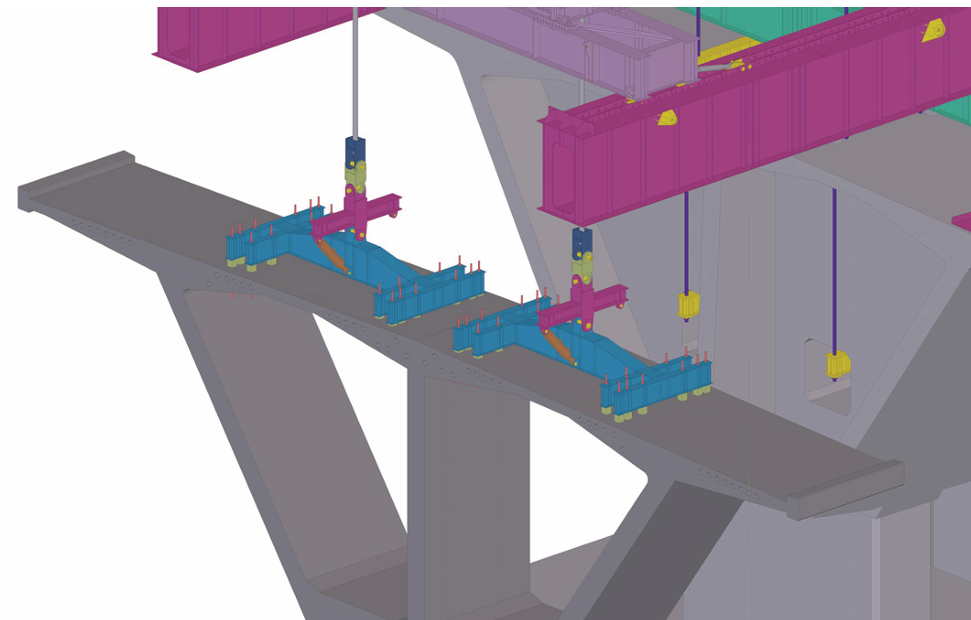
Engineering Against the Ocean: Lifting 216 MT at 11.8 Metres Over Open Seas
Constructing a 6.74-kilometer sea bridge in the open ocean presents severe technical challenges, including deep water, strong currents, and high waves, especially during the monsoon season. The high salinity of the ocean also accelerates the corrosion of materials, requiring durable and corrosion-resistant construction and maintenance. The construction required building multiple navigation bridges, marine viaducts in deep and shallow waters, and at-grade roads, a complex logistical undertaking.
Further, a critical design challenge involved limiting the lifting gantry to 125 MT to control cantilever moments during construction, in line with permanent works design parameters. This required precise planning, advanced modelling and strict construction sequencing to ensure structural stability and safety at every stage.
“Tekla software is a powerful tool used during the erection phase of construction to determine and utilize the center of gravity (COG) for various structural elements. By providing precise COG data, Tekla improved the safety, accuracy, and efficiency of lifting and installation operations. Further precise modeling helped minimize waste by generating accurate material take-offs and supporting efficient, prefabricated construction methods. Adoption of Tekla is most effective as part of a broader shift to BIM-based workflows, rather than as a standalone software implementation.”
Mr. Yallappa Sonavane – Asst. Manager, Design (Draughtsman) – Afcons Infrastructure Ltd.
“The girder members have different profiles at each node, and the multiple connections could have been very difficult to detail through any other software. Use of Tekla Structures proved to be very user friendly and by creating a 3D view to visualize in addition to clash checking proved helpful in identifying the errors.” recalled
Mr. Ruturaj Sawant – Manager, Design – Afcons Infrastructure Ltd.
Digital Precision at Scale: How Tekla Powered Complex Marine Engineering
In relation to the challenges encountered, the benefits of adopting Tekla Structure were manifold, as follows:
• The custom components command enabled the team to complete the model in limited time.
• Likewise, the clone drawings command supported the project executing team to prepare part drawings of all similar components.
• Part drawing preparation time was reduced, making part marking, modification & identification easier.
• Further, with customization of component to required detail, bill of quantity was extracted to any required format.
• Center of gravity of individual parts/assemblies guaranteed accuracy in model camber creation.
• Powerful clash detection to identify and resolve conflicts between various structural elements.
• Extraction of various reports and schedules directly from the 3D model, saved time and greatly improved accuracy.
• Automated tools and streamlined workflows for tasks like part numbering, drawing creation, and material take-offs significantly sped up the design and detailing process.
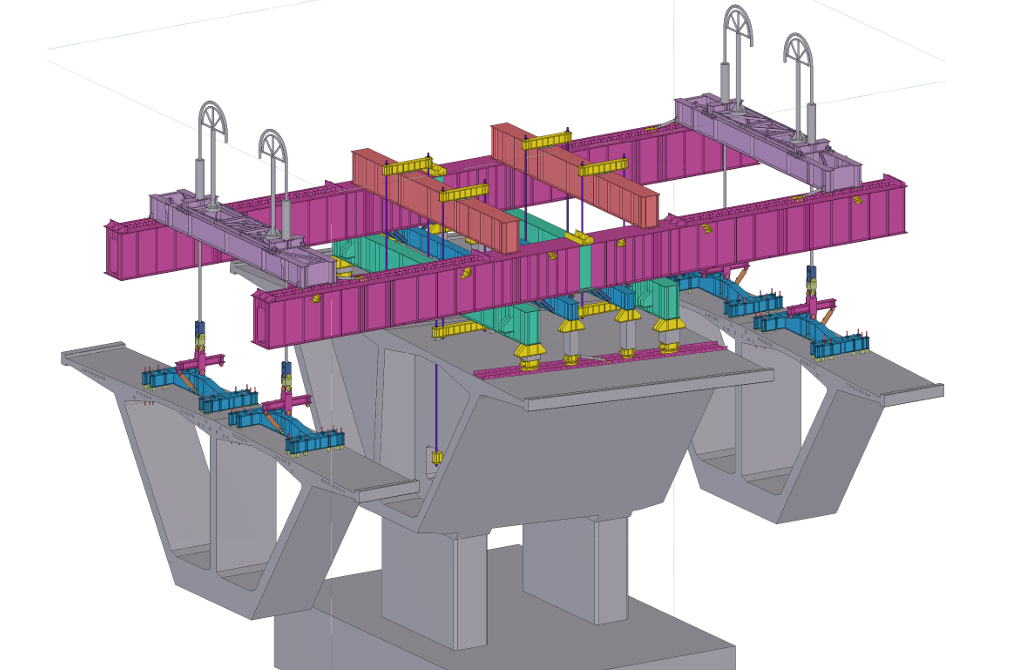
– Source: Trimble
